



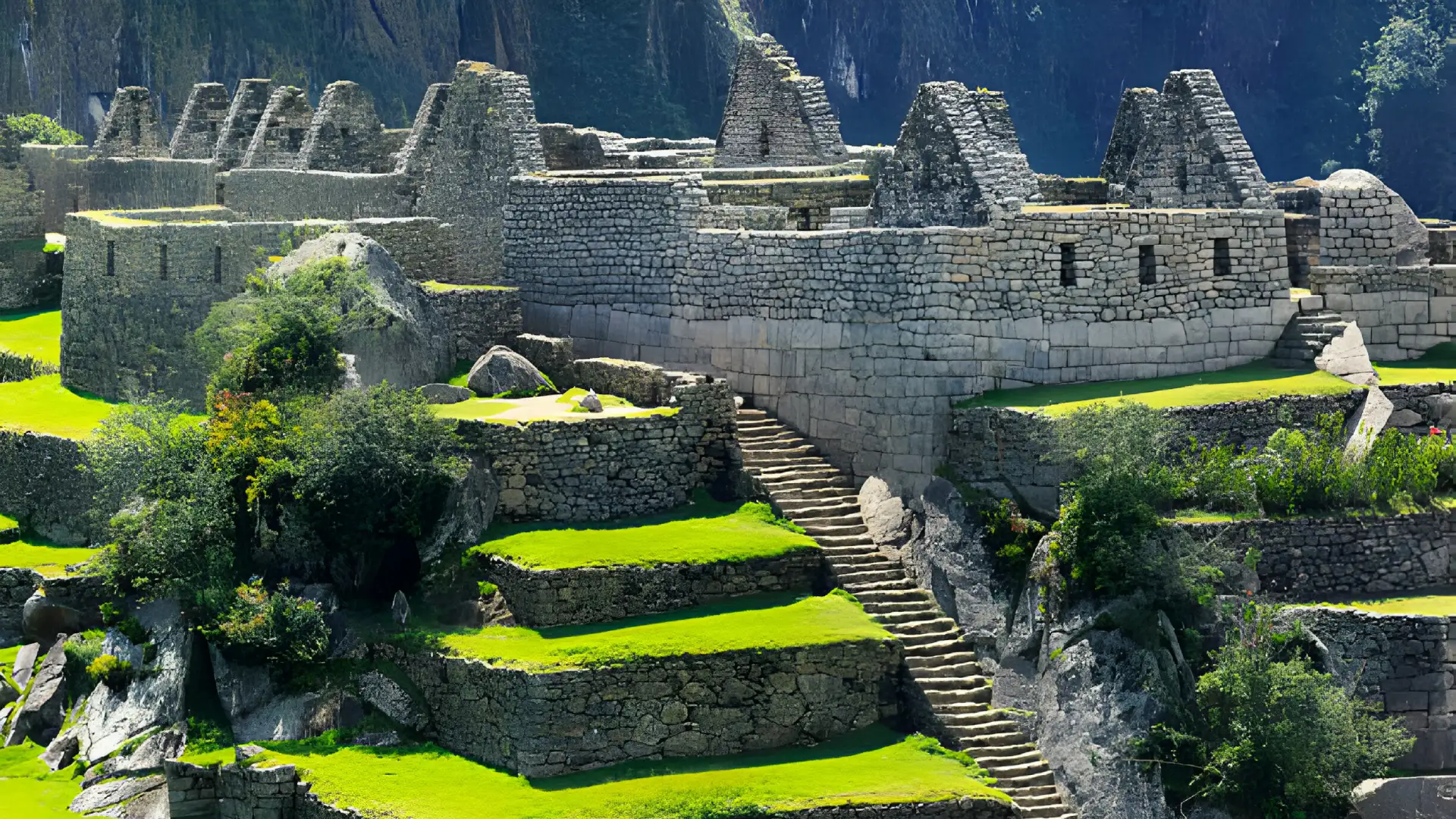
Machu Picchu is the most visited archaeological site in South America and one of the New7Wonders of the World. Perched at 2,430 meters above sea level on a mountain ridge above the Urubamba River, this 15th-century Inca citadel draws travelers from every continent who come to witness its stone temples, terraced fields, and panoramic Andean views. If you’re planning a trip to Peru, this guide covers everything you need to know about Machu Picchu: its history, how to get there, current ticket prices, circuits, and the best time to visit.
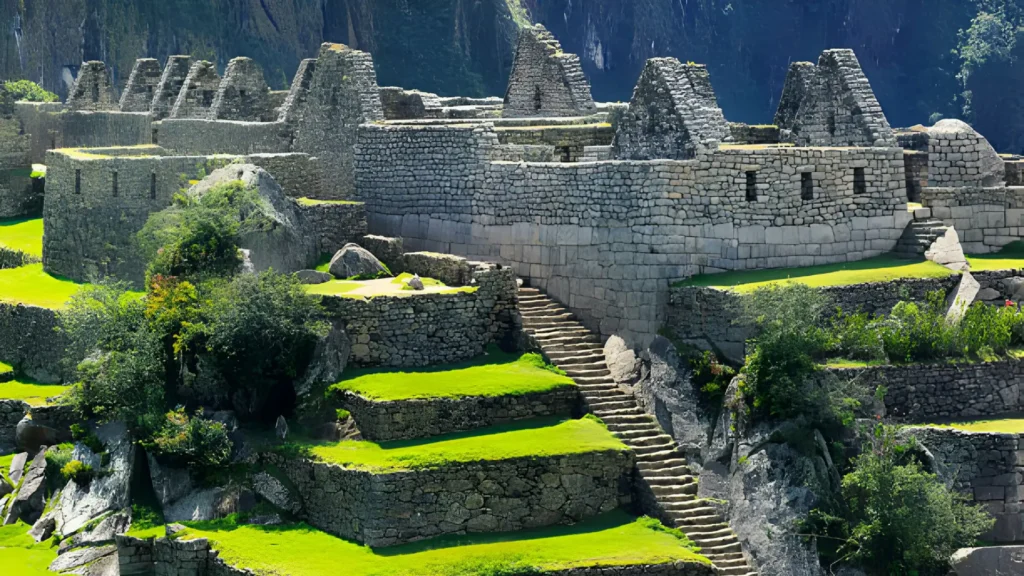
Table of Contents
What Is Machu Picchu?
Built around 1450 AD during the reign of the Inca emperor Pachacutec, Machu Picchu is believed to have served as a royal estate and religious sanctuary rather than a conventional city. Spanish conquistadors never discovered the site, which allowed it to remain largely intact until American historian Hiram Bingham brought it to international attention in 1911. Today, Machu Picchu is recognized by UNESCO as a World Heritage Site and remains the crown jewel of Peruvian tourism.
The citadel is divided into two main areas: the agricultural sector, with its iconic terraces used for farming on steep slopes, and the urban sector, home to temples, plazas, and residential structures built with the precise dry-stone masonry the Incas are famous for.
Where Is Machu Picchu Located?
Machu Picchu sits in the Cusco region of southern Peru, within the Machu Picchu Historic Sanctuary, a protected natural and archaeological area. The nearest town is Machu Picchu Pueblo, also known as Aguas Calientes, which serves as the main gateway for visitors arriving by train or on foot via the Inca Trail.
How to Get to Machu Picchu
There are several ways to reach Machu Picchu, depending on your budget, time, and physical condition:
- By train: The most popular option. Trains depart from Cusco (Poroy or San Pedro station) or from Ollantaytambo in the Sacred Valley, arriving in Aguas Calientes in 1.5 to 3.5 hours.
- By car and hike: A budget-friendly alternative that combines a scenic drive through the Sacred Valley with a short jungle trek to Hidroeléctrica, followed by a walk along the train tracks into Aguas Calientes.
- Inca Trail: A multi-day trek (typically 4 days) that follows original Inca stone paths through the Andes, ending at the Sun Gate (Inti Punku) with a sunrise view of the citadel.
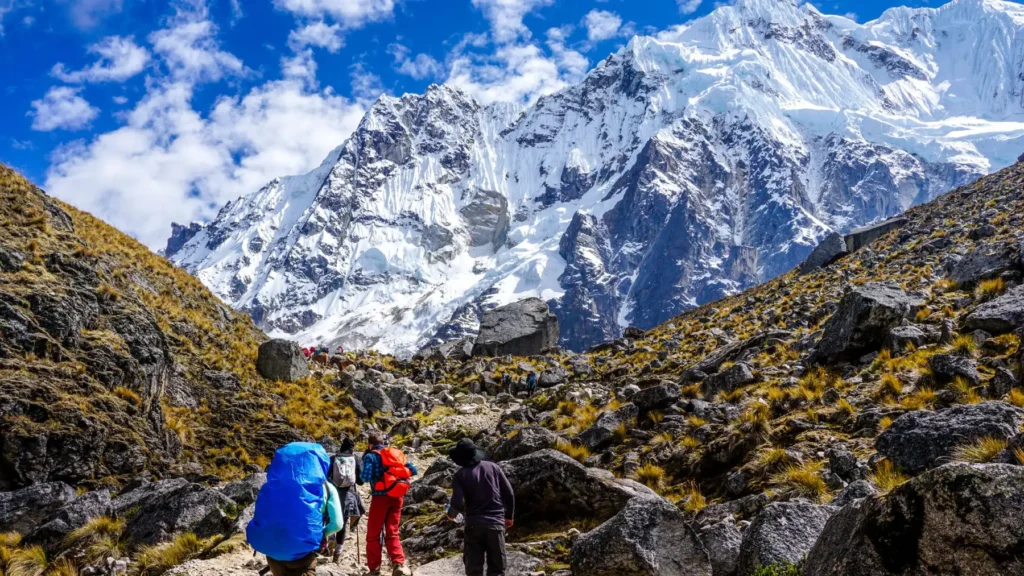
- Alternative treks: Salkantay, Lares, and Choquequirao routes offer longer, more adventurous approaches to Machu Picchu.
From Aguas Calientes, official Consettur buses take visitors up the mountain to the citadel entrance in about 25 minutes; it’s also possible to hike up on foot in 1.5 to 2 hours.
Machu Picchu Tickets and Circuits (2026 Update)
Entry to Machu Picchu is strictly regulated by Peru’s Ministry of Culture to protect the site. As of 2026, visitors must choose one of several official circuits, each following a fixed, one-way route through different areas of the citadel:
- Circuit 1 (Panoramic): The shortest route, offering the classic postcard view from the Guardian’s House. Can be combined with access to Machu Picchu Mountain.
- Circuit 2 (Classic): The most popular and complete circuit, combining the classic viewpoint with a walk through the urban sector, including the Temple of the Sun and the Sacred Plaza.
- Circuit 3 (Royalty): Focuses on the lower part of the citadel and is the only circuit that connects to the Huayna Picchu and Huchuy Picchu mountain hikes.
Approximate 2026 prices (subject to change and currency fluctuation):
- Foreign adult visitors: approximately S/152 to S/200 (around USD 40–55), depending on the circuit and mountain add-ons.
- Andean Community citizens (Peru, Bolivia, Colombia, Ecuador): reduced rates, roughly S/64 to S/112.
- University students and children under 17: discounted tickets with valid ID.
- Children under 3: free entry.
Since May 2026, an additional conservation fee (S/11 for foreign visitors, S/5 for nationals) applies on top of the entrance ticket, following a SERNANP resolution aimed at funding environmental protection within the sanctuary.
Tickets go on sale several months in advance through the official platform, tuboleto.cultura.pe, and it’s strongly recommended to book at least 3 to 4 months ahead, especially for the Classic Circuit and Huayna Picchu, which has a strict daily limit of 400 visitors and tends to sell out first.
Best Time to Visit Machu Picchu
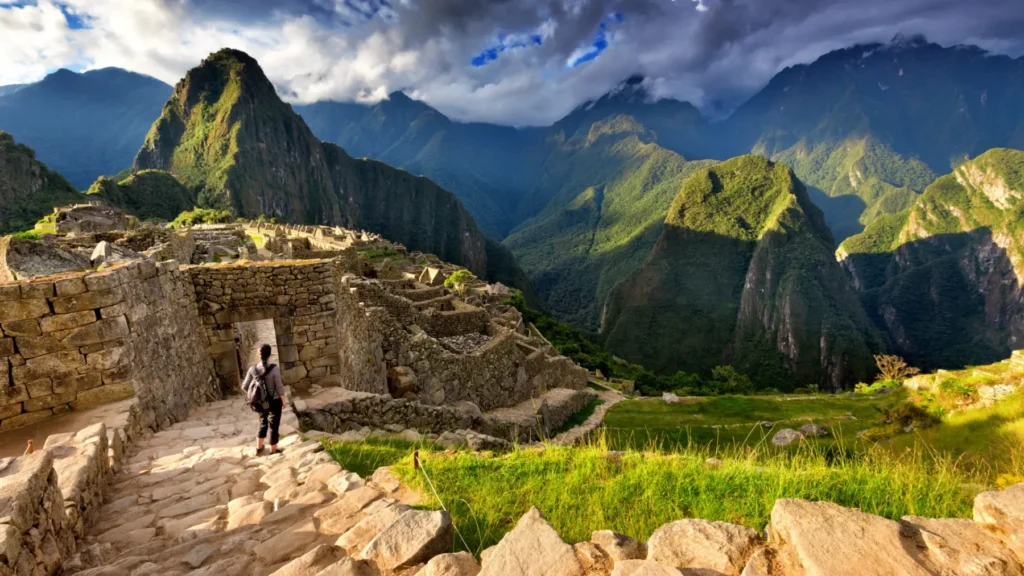
The dry season, from April to October, offers the clearest skies and the best conditions for photography and hiking, making it the high season with the largest crowds (up to 5,600 visitors per day). The rainy season, from November to March, sees fewer tourists and lush green landscapes, though light rain is common and the Inca Trail closes every February for maintenance.
For travelers who want a balance of good weather and smaller crowds, the shoulder months of April and October are often considered the sweet spot.
What to See Inside Machu Picchu
- Temple of the Sun: A curved, finely carved structure used for astronomical observations.
- Intihuatana Stone: A ritual stone believed to have functioned as a solar calendar.
- Temple of the Three Windows: Overlooking the main plaza, linked to Inca creation myths.
- Sacred Rock: A massive stone shaped to mirror the mountain silhouette behind it.
- Huayna Picchu: The steep peak seen in most classic photos, offering a challenging but rewarding hike with sweeping views of the entire citadel.
Tips for Visiting Machu Picchu
- Book tickets and train tables well in advance, especially during high season (June to September).
- Bring your original passport; it must match the ticket used for reservation and cannot be substituted with a photocopy.
- Wear comfortable hiking shoes, sun protection, and a light rain jacket regardless of season.
- Hire a licensed guide, required on most circuits, to fully understand the site’s history and significance.
- Arrive early, ideally on the first bus, to enjoy the citadel before the busiest midday hours.
- Respect the site: food, tripods, and large backpacks are restricted inside the citadel.
Frequently Asked Questions About Machu Picchu
How long does a visit to Machu Picchu take?
Depending on the circuit, a visit lasts between 1.5 and 4 hours, not including transportation.
Do I need a guide to visit Machu Picchu?
Yes, a licensed guide is mandatory for most circuits to ensure visitors follow the designated route correctly.
Can I buy Machu Picchu tickets on the same day?
It’s possible but risky. Tickets, especially for the Classic Circuit and Huayna Picchu, often sell out months in advance.
Is Machu Picchu suitable for children and older adults?
Yes, circuits 1 and 2 are accessible to most visitors, though some sections involve stairs and uneven terrain.
Final Thoughts
A visit to Machu Picchu is more than a checkbox on a bucket list. It’s a journey through Inca engineering, Andean cosmology, and some of the most striking mountain scenery on Earth. Planning ahead, booking your circuit early, and choosing the right season will make all the difference in turning your trip into an unforgettable experience.